Kitchen Garden Farming – Complete Guide to Growing Fresh Vegetables at Home
Kitchen Garden Farming – A Complete Guide for Fresh and Healthy Homegrown Vegetables
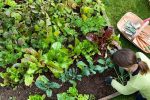
A kitchen garden is one of the easiest and most rewarding ways to grow fresh vegetables, herbs, and fruits at home. Whether you have a backyard, rooftop, balcony, or even a few containers, you can start your own kitchen garden with minimal investment. Kitchen garden farming not only provides fresh and chemical-free produce but also helps reduce grocery expenses while promoting a healthier lifestyle.
What is Kitchen Garden Farming?
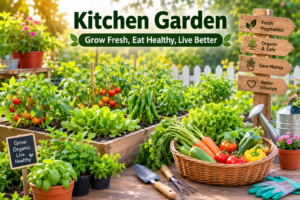
Kitchen garden farming is the practice of growing vegetables, herbs, and small fruits close to your home for daily household use. Unlike commercial farming, a kitchen garden is designed to supply fresh food for your family rather than producing crops for sale. Even a small space with enough sunlight can become a productive garden.
Benefits of a Kitchen Garden
Starting a kitchen garden offers several advantages:
- Fresh and organic vegetables every day.
- Lower household food expenses.
- Better control over the quality of your food.
- Reduced use of harmful pesticides and chemicals.
- A relaxing hobby that improves physical and mental well-being.
- Encourages children and family members to learn about nature and healthy eating.
Choosing the Right Location
The success of your kitchen garden depends on selecting a suitable location. Choose an area that receives at least 6 to 8 hours of sunlight daily. Good air circulation and proper drainage are also important for healthy plant growth. If outdoor space is limited, balconies, terraces, rooftops, or sunny windows can also be excellent choices.
Preparing the Soil
Healthy soil is the foundation of every successful garden. Mix garden soil with compost or well-rotted organic manure to improve fertility and water retention. The soil should be loose, rich in nutrients, and capable of draining excess water. Adding homemade compost from kitchen waste is an eco-friendly way to improve soil quality.
Best Vegetables for Beginners
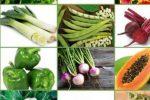
If you are new to gardening, start with vegetables that are easy to grow and maintain. Some excellent choices include:
- Tomatoes
- Green chilies
- Spinach
- Coriander
- Mint
- Lettuce
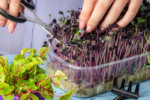
- Radish
- Carrots
- Cucumbers
- Spring onions
These crops grow well in containers as well as small garden beds.
Watering and Plant Care
Water your plants regularly, especially during hot weather, but avoid overwatering. Early morning is the best time to irrigate because it reduces water loss through evaporation. Remove weeds frequently and inspect plants for insects or diseases. Organic pest control methods such as neem oil and natural compost help keep plants healthy without harming the environment.
Seasonal Planning
Plant vegetables according to your local climate and growing season. Cool-season crops like spinach, lettuce, and carrots perform well during winter, while tomatoes, cucumbers, peppers, and okra thrive in warmer months. Proper seasonal planning ensures continuous harvests throughout the year.
Tips for a Productive Kitchen Garden
- Use quality seeds or healthy seedlings.
- Rotate crops every season to maintain soil fertility.
- Apply compost regularly.
- Mulch the soil to conserve moisture.
- Harvest vegetables at the right stage for the best flavor and nutrition.
- Keep the garden clean to reduce pest problems.
Conclusion
Kitchen garden farming is an excellent way to enjoy fresh, nutritious, and chemical-free vegetables from your own home. It requires only a small space, basic gardening tools, and regular care. Whether you live in a city apartment or a house with a backyard, starting a kitchen garden can improve your family’s health, reduce food costs, and create a stronger connection with nature. Begin with a few simple vegetables today, and your small garden will soon become a reliable source of fresh produce throughout the year.